long%20version.jpg)
Understanding the Fire Recovery Steps: A Guide to Restoring Your Home
- Abby klingler
- Jun 16
- 3 min read
Experiencing fire damage in your home is overwhelming. The aftermath can feel chaotic, and knowing where to start is often the hardest part. I want to walk you through the fire recovery steps so you can feel more in control and confident about restoring your home. This guide breaks down the process into clear, manageable parts, helping you understand what to expect and how to move forward.
The First Fire Recovery Steps After the Incident
Right after a fire, your priority is safety. Make sure everyone is out of the house and that the fire department has declared the property safe to enter. Once you have the green light, the recovery process begins.
Here are the initial steps you should take:
Contact your insurance company - Report the fire damage as soon as possible. They will guide you on filing a claim and what documentation you need.
Secure the property - Board up windows, doors, and any openings to prevent further damage or theft.
Document the damage - Take photos and videos of all affected areas and items. This will support your insurance claim.
Avoid touching or moving damaged items - This helps preserve evidence for insurance and restoration professionals.
Arrange for a professional inspection - A certified fire damage restoration company can assess the extent of damage and create a plan.
Taking these steps quickly can reduce further damage and speed up the restoration process.
Detailed Fire Recovery Steps for Your Home
Once the immediate safety and documentation are handled, the restoration work begins. The process involves several key stages:
1. Assessment and Inspection
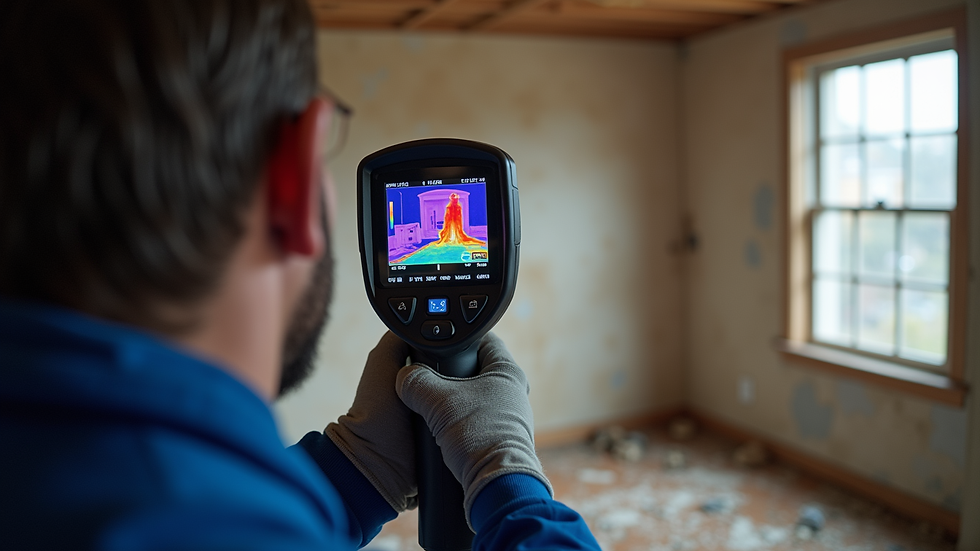
A professional team will inspect your home to evaluate structural damage, smoke and soot contamination, and water damage from firefighting efforts. This step is crucial to develop a tailored restoration plan.
2. Water Removal and Drying
If water was used to extinguish the fire, drying out your home is essential to prevent mold growth. Specialized equipment like dehumidifiers and air movers are used to dry walls, floors, and ceilings.
3. Smoke and Soot Removal
Smoke and soot can penetrate walls, furniture, and HVAC systems. Cleaning these thoroughly requires professional-grade cleaning agents and techniques to eliminate odors and residues.
4. Cleaning and Sanitizing
All salvageable items and surfaces are cleaned and sanitized to remove contaminants and odors. This includes upholstery, carpets, and personal belongings.
5. Repairs and Restoration
Finally, repairs to structural elements like drywall, flooring, and roofing are made. The goal is to restore your home to its pre-fire condition.
Throughout these steps, communication with your restoration company and insurance provider is key. They will help you understand timelines and what to expect.

What's the difference between remediation and restoration?
Understanding the terms used in fire recovery can be confusing. Two words you’ll often hear are remediation and restoration. Here’s how they differ:
Remediation refers to the immediate actions taken to stop further damage. This includes water extraction, boarding up, and removing hazardous materials. It’s about damage control.
Restoration is the process of repairing and rebuilding your home to its original state. This includes cleaning, repairing structural damage, and replacing materials.
Think of remediation as the emergency response and restoration as the rebuilding phase. Both are essential parts of the overall recovery.
How to Work with Restoration Professionals
Choosing the right restoration company can make a big difference in your recovery experience. Here are some tips to help you work effectively with professionals:
Look for local experts - A company familiar with Massachusetts building codes and climate will provide better service.
Ask about certifications - Professionals certified by organizations like the IICRC have proven expertise.
Request a detailed estimate - Understand what services are included and the expected timeline.
Communicate openly - Share your concerns and ask questions. A good company will keep you informed every step of the way.
Insurance handling - Some companies, like K2 Restoration Solutions, work directly with your insurance to ease your burden.
By partnering with trusted professionals, you can focus on your family while they handle the technical work.
Preparing Your Home for Future Safety
After your home is restored, it’s important to take steps to reduce the risk of future fires and damage. Here are some practical recommendations:
Install smoke detectors on every level and test them monthly.
Create and practice a fire escape plan with your family.
Keep fire extinguishers accessible in key areas like the kitchen and garage.
Maintain electrical systems and avoid overloading outlets.
Store flammable materials safely and away from heat sources.
Taking these precautions can give you peace of mind and protect your home in the future.
Recovering from fire damage is a challenging journey, but understanding the fire damage restoration process can help you take control. By following these fire recovery steps, you can restore your home safely and efficiently. Remember, you don’t have to face this alone - local experts are ready to support you every step of the way.


Comments