long%20version.jpg)
Key Steps in Home Water Damage Cleaning
Water damage in your home can feel overwhelming. When water invades your living space, it threatens your belongings, your structure, and your peace of mind. Taking the right steps quickly can make all the difference. I want to guide you through the essential actions to take during home water damage cleaning so you can restore your home safely and effectively.
Understanding Home Water Damage Cleaning
When water floods your home, it’s not just about drying things out. You need a clear plan to prevent further damage and health risks. The first step is to assess the situation carefully. Identify the source of the water - whether it’s a burst pipe, a leaking roof, or flooding from outside. Stopping the water flow is critical to prevent more damage.
Next, remove any standing water. You can use a wet/dry vacuum or pumps for larger amounts. If the water is deep or contaminated, it’s best to call professionals. After water removal, focus on drying the area thoroughly. Open windows, use fans, and dehumidifiers to speed up the drying process. Moisture left behind can cause mold and structural issues.
During this phase, remove wet furniture, carpets, and belongings to dry separately. If items are soaked, consider whether they can be salvaged or need disposal. Remember, safety is key. Wear protective gear like gloves and boots, especially if the water is dirty or contaminated.

How Quickly Does Mold Grow After Water Damage?
Mold can start growing within 24 to 48 hours after water damage occurs. This rapid growth is why acting fast is so important. Mold thrives in damp, dark environments, and once it takes hold, it can cause health problems and further damage to your home’s structure.
To prevent mold, keep the affected area dry and well-ventilated. Use dehumidifiers and fans to reduce moisture levels. If you spot any signs of mold, such as a musty smell or visible spots, address it immediately. Small mold patches can sometimes be cleaned with household cleaners, but larger infestations require professional remediation.
Regularly check hidden areas like behind walls, under carpets, and inside cabinets. Mold can hide in these spots and spread unnoticed. Early detection and cleanup are your best defenses.
Removing Damaged Materials and Cleaning Surfaces
Once the water is gone and the area is drying, it’s time to remove damaged materials. This includes soaked drywall, insulation, carpet padding, and any porous materials that cannot be dried properly. These materials can harbor mold and bacteria if left in place.
Use a utility knife to cut out damaged drywall at least 12 inches above the water line. Remove insulation carefully and dispose of it safely. Carpets and padding that have absorbed water for more than 24 hours usually need replacement.
After removing damaged materials, clean all surfaces with a disinfectant solution. This step kills bacteria and prevents mold growth. Use a mixture of water and household bleach (1 cup bleach to 1 gallon of water) or a commercial cleaner designed for water damage cleanup. Always ventilate the area well during cleaning.
Drying and Dehumidifying Your Home
Drying is the most critical step in home water damage cleaning. Even if the visible water is gone, moisture can linger inside walls, floors, and furniture. This hidden moisture can cause long-term problems if not addressed.
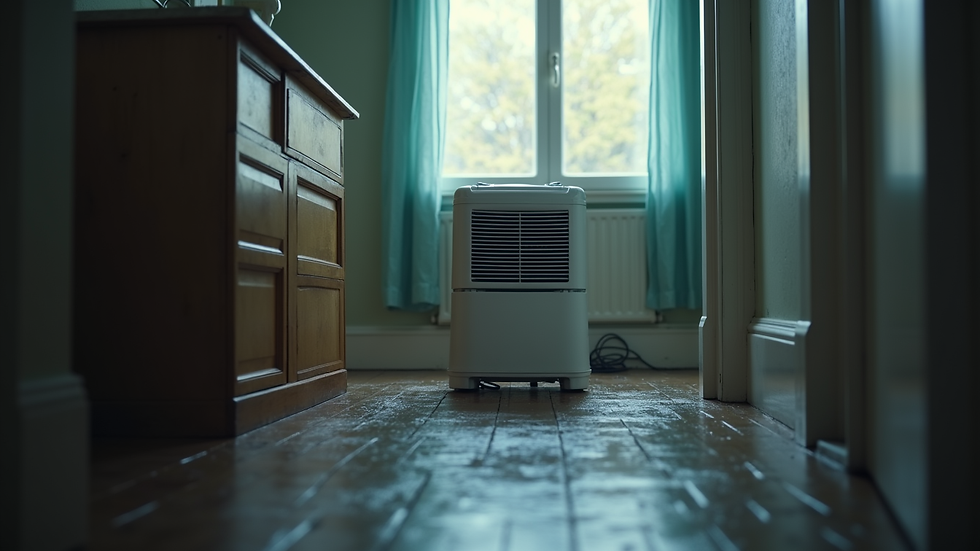
Use a combination of fans, heaters, and dehumidifiers to dry the space thoroughly. Position fans to blow air across wet surfaces and open windows if weather permits. Dehumidifiers pull moisture from the air, speeding up the drying process.
Check moisture levels regularly with a moisture meter if you have one. Continue drying until moisture readings return to normal levels. This process can take several days depending on the extent of the damage.
Preventing Future Water Damage
After you’ve cleaned and dried your home, it’s important to take steps to prevent future water damage. Inspect your home regularly for leaks in pipes, roofs, and windows. Maintain gutters and downspouts to ensure water flows away from your foundation.
Consider installing water detection devices near appliances and in basements. These alarms alert you early if water is detected, giving you time to act before damage spreads.
If your home is in a flood-prone area, think about flood barriers or landscaping changes to divert water. Keeping your home dry and well-maintained is the best way to avoid the stress and expense of water damage cleanup.
When to Call for Professional Help
While many steps in home water damage cleaning can be done yourself, some situations require professional expertise. If the water is contaminated with sewage or chemicals, do not attempt cleanup on your own. Professionals have the right equipment and training to handle hazardous water safely.
Also, if the damage is extensive or mold has already developed, professional restoration services can save your home and health. They can assess structural damage, perform thorough drying, and manage insurance claims to ease your burden.
For those facing water damage in Massachusetts, residential water damage cleanup experts like K2 Restoration Solutions are ready to help. They understand the local climate and common causes of water damage, providing fast, reliable service to restore your home.
Taking swift, informed action after water damage is the key to protecting your home. By following these steps, you can minimize damage, prevent mold, and restore your living space safely. Remember, your home is your sanctuary - keeping it dry and secure is worth every effort.


Comments