long%20version.jpg)
Estimating Costs for Fire Damage Repair: A Practical Guide to Repair Cost Estimation
Experiencing fire damage in your home is overwhelming. Beyond the emotional toll, you face the challenge of understanding the costs involved in restoring your property. Estimating these costs accurately is crucial to planning your next steps and working with professionals who can help you rebuild. In this guide, I will walk you through the key factors that influence fire damage repair costs and offer practical advice to help you navigate this process with confidence.
Understanding Repair Cost Estimation After Fire Damage
When you start thinking about repair cost estimation, it’s important to recognize that fire damage varies widely. The extent of damage depends on the fire’s intensity, the materials affected, and how quickly the fire was contained. Repair costs can range from a few thousand dollars for minor smoke damage to tens of thousands for structural repairs.
Here are some of the main factors that influence repair costs:
Extent of Structural Damage: If the fire has compromised walls, floors, or the roof, repairs will be more expensive.
Smoke and Soot Cleanup: Even if the fire was contained quickly, smoke and soot can cause lingering damage that requires professional cleaning.
Water Damage from Firefighting Efforts: Water used to extinguish the fire often causes additional damage that must be addressed.
Contents Replacement: Furniture, appliances, and personal belongings may need to be replaced.
Permits and Inspections: Local regulations may require permits and inspections, adding to the cost.
Understanding these elements helps you prepare for the financial impact and communicate effectively with restoration professionals.

Key Components of Repair Cost Estimation
Breaking down the repair cost estimation into components makes it easier to understand where your money will go. Here’s a detailed look at each part:
1. Structural Repairs
Structural repairs often form the largest part of the cost. This includes replacing damaged drywall, framing, roofing, and flooring. The price depends on the materials used and the labor required. For example, replacing hardwood floors will cost more than repairing carpet.
2. Smoke and Soot Removal
Smoke and soot can penetrate walls, ceilings, and HVAC systems. Professional cleaning is necessary to remove odors and prevent health issues. This process involves specialized equipment and chemicals, which add to the cost.
3. Water Damage Restoration
Water used to fight the fire can cause mold and mildew if not dried properly. Restoration includes water extraction, drying, and sometimes replacing damaged materials. This step is critical to prevent further damage.
4. Contents Cleaning and Replacement
Some items can be cleaned and restored, while others must be replaced. Electronics, textiles, and furniture often require professional cleaning. Insurance may cover some of these costs, but it’s important to document everything carefully.
5. Additional Expenses
Don’t forget about permits, inspections, and temporary housing if your home is uninhabitable. These costs can add up quickly but are necessary for a smooth restoration process.
By understanding these components, you can better evaluate estimates from contractors and avoid surprises.
How to Price a Fire Damaged House?
Pricing a fire damaged house involves a thorough assessment of damage and repair needs. Here’s a step-by-step approach to help you estimate costs effectively:
Step 1: Conduct a Detailed Inspection
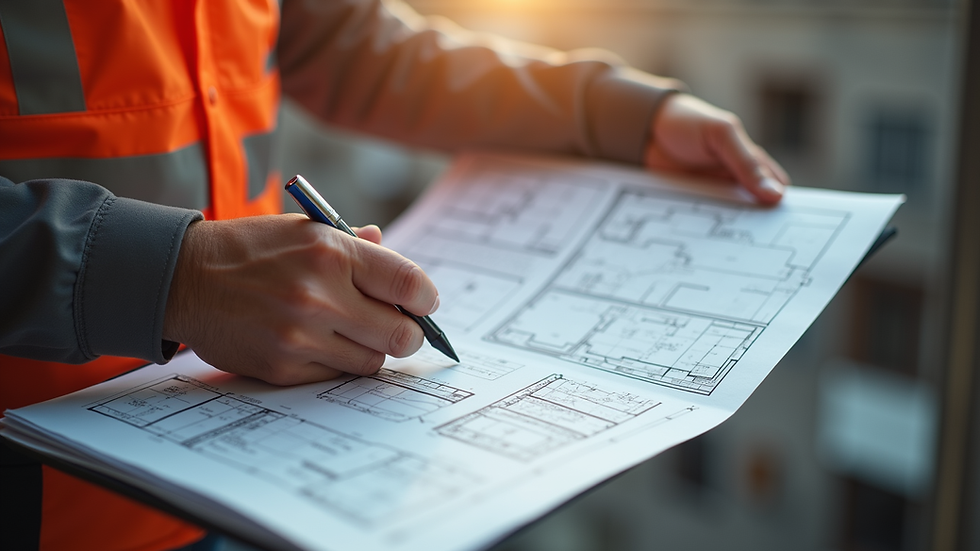
Start with a professional inspection to identify all areas affected by fire, smoke, and water. This inspection should cover:
Structural integrity
Electrical and plumbing systems
HVAC units
Interior finishes and contents
Step 2: Obtain Multiple Quotes
Get estimates from at least three reputable restoration companies. Compare their breakdowns carefully. Look for transparency in pricing and ask questions about any unclear charges.
Step 3: Factor in Insurance Coverage
Review your insurance policy to understand what is covered. Some policies cover full replacement costs, while others have limits or exclusions. Work with your insurance adjuster to align your repair cost estimation with your coverage.
Step 4: Include Contingency Funds
Unexpected issues often arise during restoration. Set aside an additional 10-20% of the estimated cost as a contingency fund to cover surprises.
Step 5: Prioritize Repairs
If budget constraints exist, prioritize repairs that affect safety and structural integrity first. Cosmetic repairs can come later.
Following these steps will help you price your fire damaged house realistically and plan your restoration journey.
Tips for Managing Repair Costs Effectively
Managing repair costs after fire damage requires careful planning and communication. Here are some practical tips:
Document Everything: Take photos and keep receipts for all repairs and replacements. This documentation supports insurance claims.
Work with Experienced Professionals: Choose contractors who specialize in fire damage restoration. Their expertise can save you money and time.
Communicate Clearly: Maintain open communication with your restoration team and insurance company. Ask for updates and clarify any doubts.
Consider Temporary Solutions: If full repairs are delayed, consider temporary fixes to prevent further damage, such as tarping a damaged roof.
Review Contracts Carefully: Ensure contracts specify the scope of work, timelines, and payment terms to avoid misunderstandings.
By staying organized and proactive, you can keep repair costs under control and restore your home efficiently.
Moving Forward with Confidence
Estimating the costs for fire damage repair can feel daunting, but breaking it down into manageable parts makes the process clearer. Remember, every home and fire situation is unique, so personalized assessments are essential. If you want a reliable fire damage repair estimate, working with local experts who understand Massachusetts regulations and insurance processes is invaluable.
Taking these steps will help you regain control and move forward with confidence toward restoring your home. Your home’s safety and comfort are worth the effort, and with the right approach, you can overcome this challenge and rebuild stronger than before.


Comments