long%20version.jpg)
Step-by-Step Guide to Fire Recovery Steps
- Abby klingler
- May 26
- 3 min read
Experiencing fire damage in your home can feel overwhelming. The path to restoring your property might seem complicated, but breaking it down into clear, manageable steps can help you regain control. I want to guide you through the essential fire recovery steps, so you know exactly what to expect and how to act. This approach will help you protect your home and your peace of mind.
Understanding the Fire Recovery Steps
The first thing to do after a fire is to ensure everyone’s safety. Once that’s confirmed, the recovery process begins. Here’s a straightforward outline of the key steps you’ll need to follow:
Contact emergency services and your insurance company.
Make sure the fire department has declared your home safe to enter. Then, notify your insurance provider to start your claim.
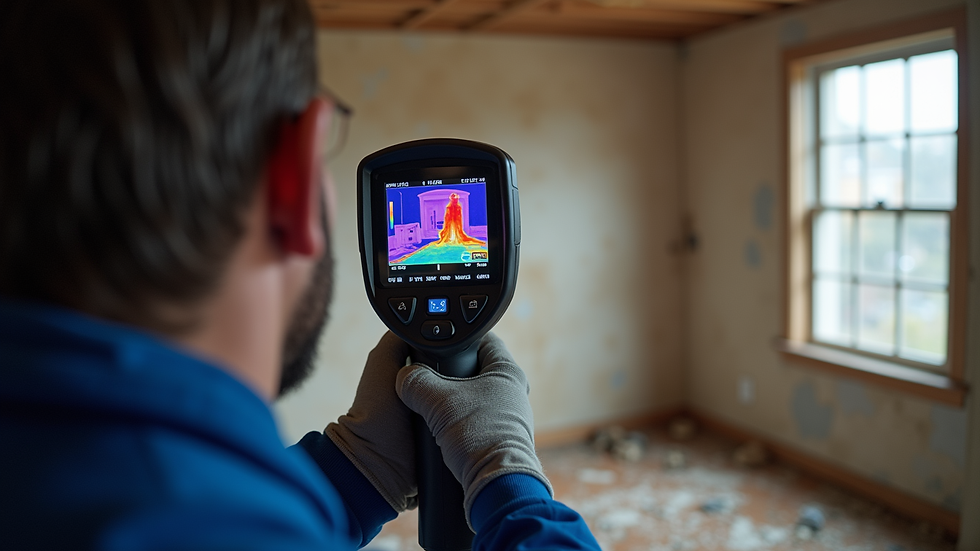
Assess the damage carefully.
Walk through your property with a professional if possible. Take photos and document everything for your insurance claim.
Secure your property.
Board up windows, doors, and any openings to prevent further damage or theft.
Remove water and dry the area.
Firefighting efforts often leave water damage. Use pumps and dehumidifiers to dry out your home.
Clean soot and smoke residue.
Soot can cause permanent damage if not removed quickly. Specialized cleaning agents and equipment are necessary.
Repair and restore structural damage.
This includes replacing drywall, flooring, and other materials affected by fire or water.
Restore your belongings.
Some items can be cleaned and salvaged, while others may need replacement.
Following these steps methodically will help you recover your home efficiently and safely.

Fire Recovery Steps: What You Should Do First
When you return to your home after a fire, it’s important to take immediate action to prevent further damage. Here’s what you should focus on:
Safety first: Wear protective gear like gloves and masks. Avoid touching electrical wiring or appliances until they are inspected.
Ventilate your home: Open windows and doors to let fresh air circulate and reduce smoke odor.
Document everything: Take clear photos and videos of all damage. This will be crucial for your insurance claim.
Prevent further damage: Cover holes in the roof or walls with tarps or boards. This keeps out rain, animals, and vandals.
Contact a professional restoration company: They have the tools and expertise to handle the cleanup and repairs safely.
Taking these fire recovery steps early can save you time and money in the long run.
What's the difference between remediation and restoration?
Understanding the terms used in fire damage recovery can be confusing. Two words you’ll often hear are remediation and restoration. Here’s how they differ:
Remediation refers to the immediate actions taken to stop further damage and clean up hazardous materials. This includes removing soot, water extraction, and deodorizing the property. The goal is to make the environment safe and stable.
Restoration is the process of repairing and rebuilding your home to its pre-fire condition. This involves structural repairs, replacing damaged materials, and restoring your belongings.
Think of remediation as the emergency cleanup and stabilization phase, while restoration is the rebuilding and recovery phase. Both are essential parts of the overall fire damage restoration process.
How to Handle Insurance Claims During Fire Recovery
Dealing with insurance can be one of the most stressful parts of fire recovery. Here are some practical tips to make this process smoother:
Notify your insurer immediately. Most policies require prompt reporting.
Keep detailed records. Save all receipts, estimates, and correspondence related to the fire and repairs.
Work with your restoration company. Many professionals will help you document damage and communicate with your insurance adjuster.
Understand your policy coverage. Know what is covered and what your deductible is.
Get multiple repair estimates. This helps ensure you receive a fair settlement.
By staying organized and proactive, you can reduce delays and confusion during your claim.

Tips for Preventing Future Fire Damage
Once your home is restored, it’s natural to want to prevent another fire. Here are some simple but effective tips:
Install smoke detectors on every floor and test them monthly.
Keep fire extinguishers accessible in key areas like the kitchen and garage.
Create and practice a fire escape plan with your family.
Avoid overloading electrical outlets and replace damaged cords.
Store flammable materials safely and away from heat sources.
Taking these precautions can help protect your home and loved ones from future fire risks.
Moving Forward with Confidence
Recovering from fire damage is a challenging journey, but you don’t have to face it alone. By following these fire recovery steps carefully and working with trusted professionals, you can restore your home safely and efficiently. Remember, the fire damage restoration process is designed to bring your property back to life and ease the burden on you during this difficult time.
Stay patient and focused. Your home will be whole again before you know it.


Comments