
What South Shore MA Storm Damage Should Homeowners Look For After Severe Weather
A South Shore storm does not have to look catastrophic to cause serious property damage. A few missing shingles, a wet basement corner, or a faint musty smell can be the first sign of a larger problem developing behind walls, under flooring, or inside insulation.
After a Nor’easter, heavy rain, coastal flooding, or a night of high winds, the safest approach is to inspect the property in stages. Some damage is obvious right away. Other damage shows up hours or days later as water travels through roofing, siding, window frames, foundations, and building materials.
This guide explains the most common South Shore MA storm damage homeowners should look for after severe weather, how to recognize early warning signs, and when it is time to call a professional restoration company.

The most common storm damage on the South Shore
South Shore communities face a mix of inland and coastal risks. Older homes, mature trees, freezing temperatures, salt air, and seasonal storms can all add stress to a property.
The most common storm-related issues include:
Roof damage after high winds
Wind-driven rain entering around windows, doors, vents, and siding
Basement flooding from heavy rain or poor drainage
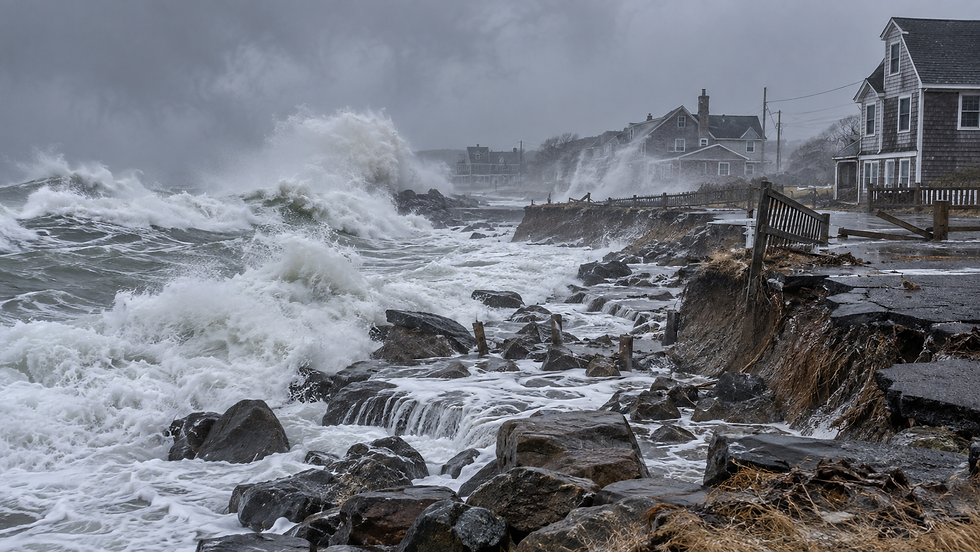
Coastal storm damage from tidal flooding and storm surge
Fallen trees and branches damaging roofs, gutters, decks, sheds, or utility lines
Clogged drainage systems pushing water toward the foundation
Frozen pipes after power outages or sudden temperature drops
Hidden water damage inside walls, ceilings, insulation, and flooring
Mold growth after wet materials are not dried properly
A Nor’easter can create several of these problems at once. Strong wind can lift shingles. Rain can enter under the roof covering. Power loss can shut down sump pumps. Cold air can freeze pipes. By the time the weather clears, the home may have damage in places that are not easy to see.
Signs of roof and siding damage
Roof and siding problems are among the most common causes of water damage after a storm. They also tend to worsen quickly if rain continues.
From the ground, look for:
Missing, curled, cracked, or lifted shingles
Shingle granules collecting near downspouts
Bent or detached flashing around chimneys, skylights, or vents
Sagging gutters or gutters pulling away from the fascia
Loose siding panels or gaps at siding seams
Damaged soffits, fascia boards, or trim
Tree limbs resting on the roof
Water stains on exterior walls below rooflines
Inside the home, roof damage may show up as ceiling stains, damp attic insulation, peeling paint, or water dripping near light fixtures. A roof leak can also appear hours later, especially if water travels along rafters before reaching a ceiling.
Avoid climbing on a wet or damaged roof. If shingles, flashing, or roof decking are compromised, professional emergency roof tarping can help limit further damage until repairs can be made.
Signs of water intrusion inside the home
Storm water does not always enter as a visible leak. Wind-driven rain can push water through tiny openings around windows, doors, siding, roof penetrations, and foundation cracks.
Watch for these early signs:
Damp trim around windows or exterior doors
Wet flooring near walls, sliders, or entryways
Bubbling or peeling paint
Soft drywall or swollen baseboards
Discoloration on ceilings or walls
Musty odors in closed rooms
Condensation where it does not normally appear
Damp insulation in attics, kneewalls, or unfinished areas
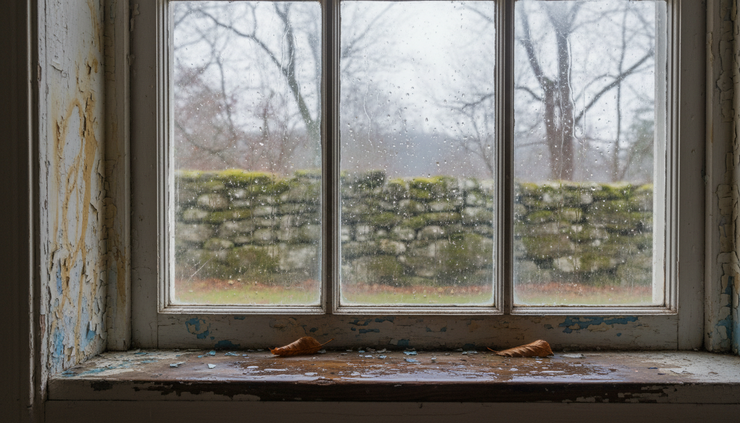
Water may also collect under hardwood, laminate, carpet padding, or tile. A floor can feel slightly spongy, cupped, or colder than nearby areas. These changes may point to elevated moisture in building materials, even when the surface looks dry.
If a stain grows, a room smells musty, or flooring stays damp after a storm, treat it as hidden water damage until proven otherwise.
Basement flooding warning signs
Basement flooding Massachusetts homeowners experience often starts outside. Heavy rain, saturated soil, snowmelt, blocked gutters, and poor grading can all push water toward the foundation.
Look for warning signs such as:
Water entering at the base of foundation walls
Wet spots around basement windows or bulkhead doors
Puddles near the sump pump
Mud, silt, or debris on the floor
Damp boxes, stored belongings, or furniture
Rust on metal shelving or appliances
Efflorescence, which looks like white powder on masonry
A sump pump that runs constantly or does not turn on
If water reaches electrical outlets, appliances, the breaker panel, or extension cords, stay out of the area and call for help. Floodwater can also contain contaminants, especially if it enters from the exterior, a sewer backup, or a failed drainage system.
Fast emergency water extraction and structural drying can reduce damage to flooring, framing, insulation, and stored contents.
Hidden moisture behind walls and ceilings
Some of the most expensive storm damage is the kind homeowners cannot see right away. Water can move through insulation, wall cavities, ceiling bays, subfloors, and framing. The surface may dry while moisture remains trapped deeper inside.
Hidden moisture is common after:
Roof leaks
Ice dams
Wind-driven rain
Basement seepage
Coastal flooding
Broken or frozen pipes
Water entering around windows and doors
Signs may include a musty odor, small areas of discoloration, peeling paint, a ceiling that feels soft, or baseboards pulling away from the wall. In other cases, there may be no obvious sign until mold begins to grow.
Professional restoration teams use moisture meters, thermal imaging tools, air movement, dehumidification, and drying plans to find and dry affected materials. This matters because wet insulation, drywall, and wood framing can hold moisture long after standing water is gone.
When storm damage can lead to mold
Mold can develop when moisture remains in building materials. After a storm, that can happen inside walls, behind cabinets, under flooring, in attics, in basements, or around wet contents stored too long.
Common storm-related mold warning signs include:
Persistent musty odors
Dark spots on drywall, wood, or insulation
Staining near previous leaks
Damp carpet or padding
Condensation in enclosed spaces
Wet cardboard, fabric, or stored belongings
Mold remediation may be needed when materials remain wet, visible growth appears, or odors persist after cleanup. Drying the structure properly is the first step. Removing affected materials, cleaning surfaces, and controlling moisture help prevent the problem from returning.

What to inspect immediately after a Nor’easter
Wait until conditions are safe. Do not inspect during high winds, lightning, active flooding, or near downed wires. Once the storm has passed, start with a visual check from safe areas.
Inspect these areas first:
Roofline and visible shingles from the ground
Gutters, downspouts, and drainage paths
Siding, trim, vents, and exterior penetrations
Windows, doors, and basement bulkheads
Foundation walls and low spots near the home
Attic ceilings, insulation, and roof sheathing
Ceilings under bathrooms, chimneys, skylights, and roof valleys
Basement floors, sump pumps, and stored contents
Areas near fireplaces, exterior walls, and plumbing runs
For Nor’easter damage South Shore homeowners should also check for saltwater or brackish water exposure near coastal areas. Water from coastal flooding can affect flooring, wall materials, mechanical systems, and belongings differently than clean rainwater.
Post-Storm Property Inspection Checklist
Use this checklist after severe weather, especially after heavy rain, strong winds, freezing temperatures, or coastal flooding.
Area to check | What to look for |
Roof | Missing shingles, lifted flashing, branches, roof debris, visible holes |
Gutters and downspouts | Clogs, overflow marks, detached sections, water pooling near the foundation |
Siding and trim | Loose panels, cracks, gaps, missing caulk, wind-driven rain entry points |
Windows and doors | Damp sills, swelling, peeling paint, water stains, air gaps |
Attic | Damp insulation, dark roof sheathing, dripping, musty odors |
Ceilings | Stains, bubbling paint, sagging areas, new cracks |
Walls | Discoloration, soft drywall, peeling paint, damp baseboards |
Floors | Wet carpet, cupping wood, loose flooring, cold or spongy spots |
Basement | Puddles, seepage, sump pump failure, damp stored items, mud or silt |
Plumbing | Frozen pipes, leaks after thawing, low water pressure, water stains |
Electrical areas | Wet outlets, tripped breakers, water near panels or appliances |
Contents | Wet furniture, boxes, rugs, electronics, important documents |
If anything looks unsafe, stop the inspection. Call a qualified professional before entering the area.
What homeowners should photograph and document
Good documentation can help with insurance claim support and restoration planning. Take photos and videos before moving items, as long as the area is safe.
Document:
Exterior damage to roofing, siding, gutters, fencing, and trees
Interior stains, leaks, wet flooring, and damaged walls
Standing water depth and affected rooms
Damaged belongings and furniture
Water marks on walls or stored contents
Failed sump pumps or water-damaged equipment
Temporary protective steps, such as buckets, tarps, or moved belongings
Keep receipts for emergency work, supplies, hotel stays, pump rental, cleanup tools, and temporary repairs. Write down when the storm occurred, when damage was found, and what steps were taken to prevent additional damage.
When it is safe to handle damage yourself
Some small storm cleanup tasks are reasonable for homeowners when there is no standing water, electrical risk, roof hazard, contamination, or structural damage.
Safe tasks may include:
Removing small branches from the yard
Clearing leaves from exterior drains at ground level
Moving dry belongings away from damp areas
Placing buckets under minor active drips
Wiping small amounts of clean water from hard surfaces
Running fans only if the electrical system is dry and safe
Do not climb onto a roof after a storm. Do not enter a flooded basement with electrical hazards. Do not disturb moldy materials without proper containment. Do not remove large fallen trees from a structure yourself.
When to call a professional restoration company
Call a professional restoration company when damage involves water intrusion, structural concerns, unsafe conditions, or hidden moisture. Fast help can prevent secondary damage and make the recovery process easier.
Professional help is recommended for:
Active roof leaks
Basement flooding
Water entering through walls, windows, or doors
Wet insulation, drywall, carpet, or wood flooring
Mold growth or musty odors
Fallen trees damaging the building
Board-up needs after broken windows or damaged openings
Emergency roof tarping
Fire damage restoration after storm-related electrical issues
Content manipulation, packing, moving, and cleaning affected belongings
K2 Restoration Solutions provides storm damage restoration Massachusetts property owners can rely on after severe weather. Services include water damage restoration, storm damage restoration, emergency water extraction, structural drying, mold remediation, board-up services, content manipulation, insurance claim support, and 24/7 emergency response.

How K2 Restoration Solutions responds to storm damage
K2 Restoration Solutions focuses on stopping damage from spreading, drying affected materials, and helping property owners move from emergency response to recovery.
A typical response may include:
Emergency assessment
The team checks safety concerns, visible damage, water sources, affected rooms, and immediate risks.
Water removal and protection
Emergency water extraction, tarping, and board-up services help limit further damage.
Moisture detection
Moisture readings help locate water behind walls, under flooring, in ceilings, and inside building materials.
Structural drying
Air movers, dehumidifiers, and drying plans help remove moisture from the structure.
Mold prevention or remediation
If mold is present or materials stayed wet too long, the team can perform mold remediation.
Contents support
Content manipulation helps move, protect, document, and clean affected belongings when needed.
Insurance claim support
Documentation, photos, moisture readings, and restoration notes can support the claims process.
For emergency restoration South Shore MA homeowners need after coastal storms, heavy rain, frozen pipes, or high winds, 24/7 storm damage restoration can make a major difference.
Frequently asked questions about storm damage in Massachusetts
What storm damage should South Shore homeowners look for first?
Start with roof damage, water intrusion, basement flooding, fallen trees, clogged drainage, and signs of hidden moisture. Check ceilings, attic insulation, basement walls, window trim, and flooring after severe weather.
Can a roof leak appear after the storm is over?
Yes. Water can enter during the storm and travel through rafters, insulation, or ceiling cavities before it becomes visible. A stain or drip may appear hours later.
Is basement water always an emergency?
Standing water should be treated seriously, especially near electricity, appliances, stored items, or finished walls. Fast extraction and drying reduce the risk of structural damage and mold.
How do I know if water is hidden behind drywall?
Warning signs include musty odors, soft drywall, peeling paint, staining, swollen baseboards, and damp insulation. A restoration company can use moisture meters to confirm whether materials are wet.
When should I call K2 Restoration Solutions?
Call when water enters the home, roof damage allows rain inside, a basement floods, mold appears, or storm damage creates unsafe conditions. K2 offers 24/7 emergency response for storm-related property damage.

Get help before small storm damage becomes serious
Severe weather on the South Shore can leave behind roof leaks, basement water, wet insulation, damaged siding, frozen pipes, and hidden moisture that gets worse over time. The key is to inspect safely, document damage clearly, and act quickly when water reaches building materials.
If you discover storm-related damage, K2 Restoration Solutions can help with water damage restoration, emergency water extraction, structural drying, roof tarping, board-up services, mold remediation, contents support, and insurance claim documentation.
For 24/7 storm damage restoration after a Nor’easter, heavy rain, coastal flooding, or high winds, contact K2 Restoration Solutions as soon as it is safe to do so.


Comments