
South Shore Storm Prep Guide for Homes and Businesses
A South Shore storm can change quickly. One hour it is heavy rain in the driveway, the next it is water pushing toward a basement door, shingles lifting in the wind, or a tree limb across the parking lot.
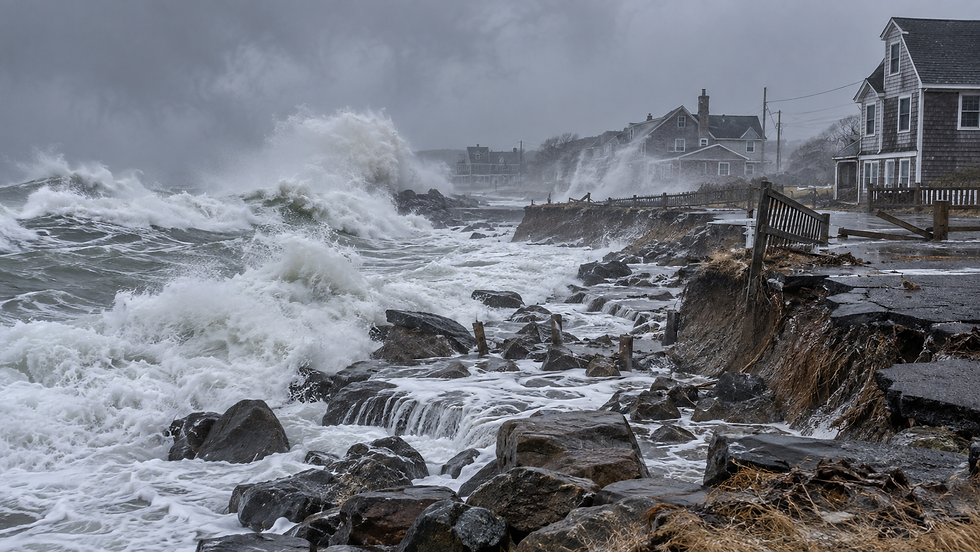
Across Massachusetts’ South Shore, storms bring a mix of coastal and inland risks. Communities near the water can see coastal flooding, salt air, wind-driven rain, and storm surge during Nor’easters. Inland neighborhoods can face swollen streams, saturated yards, basement flooding, roof leaks, high winds, and winter weather. For homeowners, property managers, and business owners, preparation can limit damage and make recovery less stressful.
K2 Restoration Solutions’ South Shore Storm Hub is built around a simple idea: prepare before the storm, act safely during it, and respond quickly after damage appears.

Why South Shore properties need storm planning
Storm prep on the South Shore is not just a winter task. Nor’easters, tropical systems, spring downpours, summer thunderstorms, and freeze-thaw cycles can all affect local buildings.
A property in Hull, Scituate, Marshfield, or Cohasset may be more exposed to coastal wind and flooding. A home or business in Quincy, Weymouth, Hingham, Hanover, Rockland, Pembroke, Brockton, or Middleborough may deal more often with heavy runoff, sump pump failure, roof leaks, and fallen branches. Many properties face both.
The most common storm-related problems include:
Water intrusion around windows, doors, rooflines, foundations, and bulkheads
Basement flooding from groundwater, poor drainage, or sump pump failure
Roof damage from wind, branches, ice, or aging shingles
Coastal flooding and wind-driven rain near exposed shore roads
Power outages that shut down pumps, heat, refrigeration, lighting, and security systems
Mold growth after wet materials sit too long
Fire or smoke damage from electrical issues, candles, generators, or heating equipment used during outages
A practical plan does not need to be complicated. It needs to be specific to the building, the neighborhood, and the people responsible for making decisions when weather gets worse.
Prepare the outside of the property before the forecast turns urgent
Good storm prevention starts outside. Water that cannot drain away from the building often finds a way in.
Start with the roof, gutters, downspouts, and ground drainage. These systems do most of the work during heavy rain, but they are easy to overlook until water is spilling over the edge of the gutter or pooling near the foundation.
Clean gutters and downspouts
Leaves, pine needles, roof grit, and small branches can block water flow. When gutters clog, rain can back up under roof edges, overflow near foundation walls, and contribute to basement seepage.
Make sure downspouts discharge away from the building. Extensions should move water several feet from the foundation when possible, without sending runoff toward a neighbor’s property, walkway, or driveway ice hazard.
Inspect the roof from a safe distance
Look for missing shingles, lifted edges, sagging areas, loose flashing, exposed nail heads, damaged vents, and debris in valleys. Do not climb onto a wet or steep roof. Use binoculars from the ground or call a qualified roofing professional if something looks wrong.
Roof problems that seem small before a storm can become active leaks during wind-driven rain. Property managers should include roof checks in seasonal inspections, especially for flat roofs, older shingles, and buildings with previous leak history.
Secure outdoor items
Strong South Shore winds can turn everyday items into projectiles. Before a storm, bring in or secure:
Patio furniture
Trash and recycling barrels
Umbrellas and grills
Yard tools and planters
Signs, sandwich boards, and outdoor displays
Construction materials and loose equipment
Holiday decorations and lightweight fencing
For businesses, check dumpsters, exterior storage, awnings, and outdoor seating areas. A few minutes of preparation can prevent broken windows, damaged siding, and liability concerns.
Trim vulnerable branches
Branches hanging over roofs, service lines, garages, or parking areas deserve attention before storm season. Avoid trimming near utility lines. That work belongs with trained professionals and the utility company.
Large trees that lean, show root heaving, have dead limbs, or have cracked trunks should be assessed before high winds arrive.

Protect basements, utilities, and interior spaces
Basements across the South Shore often take the first hit during heavy rain. Older foundations, high groundwater, sloped lots, clogged drains, and sump pump issues can all lead to water intrusion.
A dry basement plan should include prevention, monitoring, and a safe response.
Test the sump pump
Pour water into the sump pit to confirm the pump turns on, drains properly, and shuts off. Check that the discharge line is clear and directs water away from the building. If the pump has a battery backup, test that too.
For finished basements, businesses with lower-level storage, and multi-unit properties, a backup pump or water alarm may be worth discussing with a plumber.
Move valuables off the floor
Store boxes, documents, seasonal items, equipment, and inventory on shelving or pallets. Plastic bins are better than cardboard, especially in areas that have flooded before.
Keep these items away from foundation walls when possible:
Rugs
Upholstered furniture
Paper records
Electronics
Cleaning supplies
Paints, fuels, and chemicals
If water enters, these materials can become safety hazards or mold concerns.
Know where the main water shutoff is
Everyone responsible for the property should know where the main water shutoff valve is and how to use it. This matters during storms because water damage does not always come from rain. Pipes can burst during cold snaps, appliances can fail, and supply lines can break.
Label the shutoff clearly. For commercial buildings or managed residential properties, include it in the emergency plan.
Check doors, windows, and obvious leak points
Look for worn weatherstripping, loose caulking, cracked window wells, missing door sweeps, and gaps around utility penetrations. Wind-driven rain can enter through small openings, especially on exposed sides of a building.
If a door has leaked before, place absorbent barriers nearby before the storm. This is not a permanent fix, but it may reduce interior damage while you arrange a repair.
Prepare for power outages
Power outages during storms can affect heat, sump pumps, refrigeration, lighting, phones, internet, security systems, and medical equipment. Homes and businesses should have a plan for staying safe if the power goes out for several hours or longer.
A basic emergency kit should include:
Flashlights and extra batteries
Phone chargers and backup power banks
Bottled water
Shelf-stable food
First aid supplies
Needed medications
Warm clothing and blankets
Pet supplies
Copies of key documents
A battery-powered radio
Basic tools
Plastic sheeting and towels
Use generators only outdoors and far from windows, doors, vents, and garages. Carbon monoxide is dangerous and can build up quickly.
Document the building before the storm arrives
Insurance claims and repair planning are easier when you can show the condition of the property before damage happened. A short documentation routine can make a real difference after a major storm.
Walk the property with a phone and take clear photos or videos of:
Roof edges and visible roof sections
Siding, trim, windows, and doors
Gutters and downspouts
Basement walls and floors
Finished basement areas
Mechanical rooms
Electrical panels
Stored inventory or equipment
Exterior signs, fences, decks, and outbuildings
Parking areas and drainage points
For businesses and property managers, save copies of vendor contacts, insurance information, lease responsibilities, maintenance records, and emergency access notes in a place that can be reached during an outage.
Do not wait until rain starts. Photos taken in daylight, before the storm, are more useful than rushed images taken during dangerous conditions.

What to do after a storm causes damage
After a Nor’easter, heavy rain event, or windstorm, safety comes first. Storm damage can be unstable, wet, contaminated, or electrically hazardous.
Before you start cleanup, take a careful look around.
Stay away from downed wires, flooded electrical equipment, leaning trees, sagging ceilings, and damaged roofs. Do not walk through standing water if you cannot see what is under it or if there may be electrical danger.
If the property is safe to enter, take these steps.
Take photos before moving items
Document water lines, wet flooring, roof leaks, broken windows, damaged siding, fallen branches, and affected belongings. Capture wide shots and close-ups. This helps support insurance claim documentation and gives restoration crews a clearer picture of what happened.
Stop the source if you can do it safely
If water is coming from a plumbing line, shut off the main water valve. If rain is entering through a damaged roof or broken window, avoid climbing or making risky repairs during bad weather. Temporary roof tarping and board-up work should be handled with the right equipment and training.
Call for help quickly when water is involved
Water damage can spread behind walls, under flooring, into insulation, and through ceilings. The faster drying begins, the better the chance of reducing secondary damage.
Wet drywall, carpet, padding, cabinets, and wood framing can hold moisture even when surfaces look dry. Professional moisture meters and drying equipment help locate hidden water and reduce the risk of mold.
Do not remove large fallen branches without checking for hazards
Branches can be tangled with wires, resting on roofs, or under tension. If a tree or limb damaged the building, avoid entering affected areas until they are evaluated.
Watch for mold after flooding or leaks
Mold can develop after materials stay damp. Musty odors, staining, and recurring dampness should be taken seriously, especially in basements, crawl spaces, attics, and wall cavities. Mold remediation requires containment, safe removal practices, and moisture correction.
Contact your insurance carrier
Report damage as soon as practical. Ask what documentation they need, what temporary repairs are allowed, and whether they require specific claim steps. Keep receipts for emergency services, materials, temporary lodging, and protective measures.
K2 Restoration Solutions can support the claim process by documenting damage, explaining restoration needs, and working with insurance information related to the loss.
How K2 Restoration Solutions helps the South Shore recover
When a storm damages a home, rental property, condo building, storefront, restaurant, warehouse, or municipal space, the first hours matter. Standing water, open roof areas, broken windows, and soaked building materials need prompt attention.
K2 Restoration Solutions provides 24/7 emergency restoration services for South Shore properties, including:
Water damage restoration
Storm damage restoration
Emergency board-up
Roof tarping
Mold remediation
Fire damage restoration
Insurance claim support
The goal is to stabilize the property, limit further damage, remove water, dry affected materials, address safety concerns, and guide the next steps. For coastal properties, that may involve wind-driven rain and flooding. For inland properties, it may involve sump pump failure, roof leaks, burst pipes, or storm-related power issues.
A strong restoration response starts with communication. Property owners need to know what is urgent, what can wait, and what needs professional equipment. That is especially true after widespread storms, when multiple neighborhoods may be dealing with damage at the same time.

A good storm plan cannot stop every Nor’easter, flooded street, roof leak, or power outage. It can reduce avoidable damage and help everyone respond faster when trouble starts.
Before the next forecast turns serious, walk the property, clear drainage, test the sump pump, secure loose items, protect basement storage, document conditions, and review emergency contacts. If damage happens, stay safe, take photos, stop the source when possible, and bring in help before water and moisture create bigger problems.
For South Shore homes and businesses, preparation and fast response go hand in hand. K2 Restoration Solutions is ready around the clock when storms leave water damage, roof damage, flooding, mold concerns, fire damage, or emergency openings that need immediate attention.
CALL FOR EMERGENCY HELP - 339-236-4089


Comments