long%20version.jpg)
Mold Detection Tips: Recognize Signs of Mold in Your Home
Mold can quietly invade your home, causing damage and health issues before you even realize it’s there. As someone who has dealt with property damage firsthand, I understand how important it is to catch mold early. Knowing what to look for and how to act can save you time, money, and stress. In this post, I’ll share practical mold detection tips and explain how to spot mold before it becomes a serious problem.
How to Spot Mold: Mold Detection Tips You Can Use Today
Mold thrives in damp, dark places. It often grows where moisture lingers, such as basements, bathrooms, and around windows. To protect your home, you need to be proactive. Here are some straightforward mold detection tips:
Look for discoloration: Mold often appears as black, green, white, or even orange patches on walls, ceilings, or floors.
Check for musty odors: A persistent, earthy smell can be a strong indicator of hidden mold.
Inspect areas prone to moisture: Pay close attention to places like under sinks, behind appliances, and around plumbing fixtures.
Watch for water damage: Peeling paint, bubbling wallpaper, or warped wood can signal moisture problems that encourage mold growth.
Use a flashlight: Shine light into dark corners and behind furniture to spot mold that might be hiding.
Taking these steps regularly can help you catch mold early and prevent it from spreading.

What are the symptoms of living in a house with mold?
Living in a home with mold can affect your health in subtle and not-so-subtle ways. If you or your family members experience unexplained symptoms, mold could be the cause. Here are some common signs to watch for:
Respiratory issues: Coughing, wheezing, or difficulty breathing can worsen in moldy environments.
Allergic reactions: Sneezing, runny nose, itchy eyes, and skin rashes may occur or intensify.
Headaches and fatigue: Persistent headaches and feeling unusually tired can be linked to mold exposure.
Irritated throat or sinuses: Mold spores can cause inflammation and discomfort in your airways.
Increased asthma attacks: If asthma symptoms flare up without clear triggers, mold might be involved.
If you notice these symptoms and suspect mold, it’s important to investigate your home thoroughly.
Common Places Mold Hides in Your Home
Mold can grow almost anywhere moisture is present, but some spots are more vulnerable than others. Knowing where to look can make your inspection more effective:
Basements and crawl spaces: These areas often have poor ventilation and higher humidity.
Bathrooms: Showers, tubs, and sinks create ideal conditions for mold.
Around windows: Condensation can accumulate and cause mold growth on sills and frames.
Behind walls: Leaks from pipes or roofs can lead to hidden mold inside walls.
Under carpets and flooring: Moisture trapped beneath can foster mold colonies.
Attics: Roof leaks and poor ventilation can cause mold in attic spaces.
Regularly checking these areas helps you catch mold before it spreads.
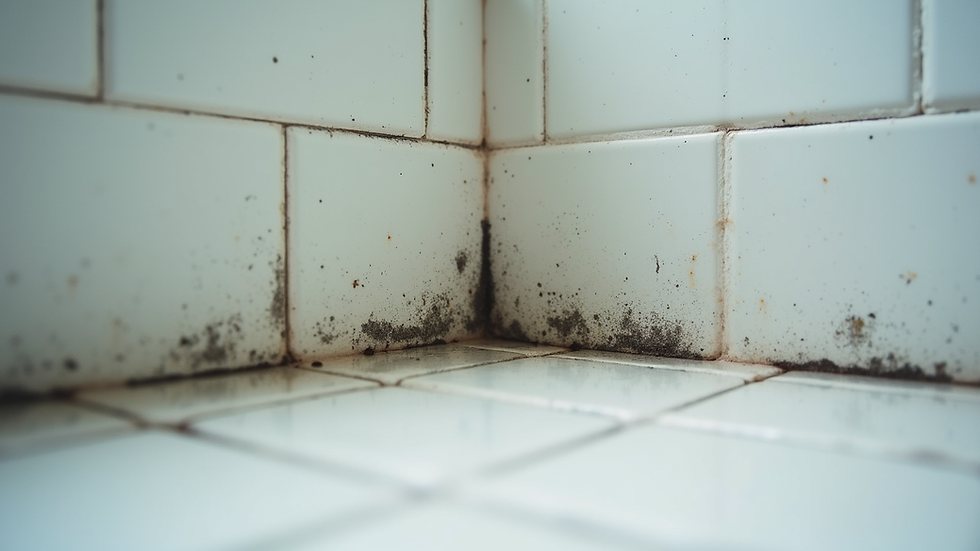
What to Do When You Find Mold in Your Home
Discovering mold can be unsettling, but acting quickly is key. Here’s a simple plan to handle mold safely and effectively:
Assess the size: Small patches (less than 10 square feet) can often be cleaned by homeowners using proper precautions.
Wear protective gear: Use gloves, goggles, and a mask to avoid inhaling spores.
Ventilate the area: Open windows and use fans to improve airflow.
Clean with appropriate solutions: Use detergent and water or a mixture of vinegar and water. Avoid mixing bleach with ammonia or other cleaners.
Fix moisture problems: Identify and repair leaks or sources of humidity to prevent mold from returning.
Consider professional help: For large infestations or mold inside walls, call a restoration expert who can safely remove mold and restore your home.
Taking these steps will help you regain control and protect your home’s health.
Preventing Mold Growth: Simple Steps to Keep Your Home Safe
Prevention is always better than cure. You can reduce the risk of mold by managing moisture and maintaining good ventilation. Here are some practical tips:
Use dehumidifiers: Keep indoor humidity below 60%, ideally between 30-50%.
Fix leaks promptly: Check plumbing, roofs, and windows regularly.
Improve ventilation: Use exhaust fans in bathrooms and kitchens.
Clean gutters: Ensure water drains away from your home’s foundation.
Dry wet areas quickly: Don’t leave wet clothes or carpets damp for long.
Monitor indoor plants: Overwatering can create excess moisture.
By following these steps, you’ll create an environment that discourages mold growth.
Taking Action: When to Call a Professional
Sometimes, mold problems are too big or complex to handle alone. If you notice any of the following, it’s time to get expert help:
Mold covers a large area (more than 10 square feet).
Mold returns after cleaning.
You suspect mold inside walls or HVAC systems.
You or your family experience severe health symptoms.
Water damage is extensive or ongoing.
A professional restoration company can assess the damage, remove mold safely, and help with insurance claims. This support can ease your burden and get your home back to normal faster.
If you want to learn more about how to identify and manage mold, check out this helpful resource on signs of mold in your home.
By staying alert and taking action early, you can protect your home from mold damage and keep your living space healthy. Remember, mold detection tips are your first line of defense. Don’t wait until the problem grows - start inspecting your home today.



Comments