long%20version.jpg)
What to Do Immediately After Water Damage in Your Home
Discovering water damage in your home can be overwhelming and stressful. Whether it’s due to a burst pipe, heavy rainfall, or an overflowing bathtub, acting quickly is crucial to minimize further damage. In this blog post, we'll provide you with clear, actionable steps to take immediately after you find water damage.
Safety First: Assess the Situation
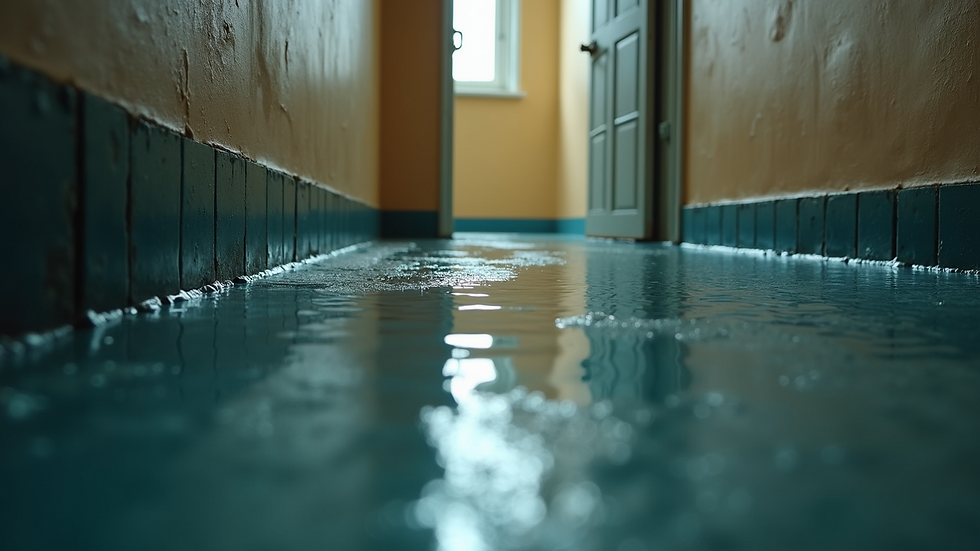
The first thing to do when you discover water damage is to ensure your safety. Before you step into the affected area, check for hazards. Look for electrical hazards, especially if water is near electrical outlets or devices. If you suspect that electric wiring might be compromised, turn off the electricity to the affected area. It’s better to be safe than sorry.
If the damage is extensive, think about evacuating the area to avoid slip and fall hazards. Always prioritize your health and safety before attempting any mitigation efforts.
Stop the Source of Water
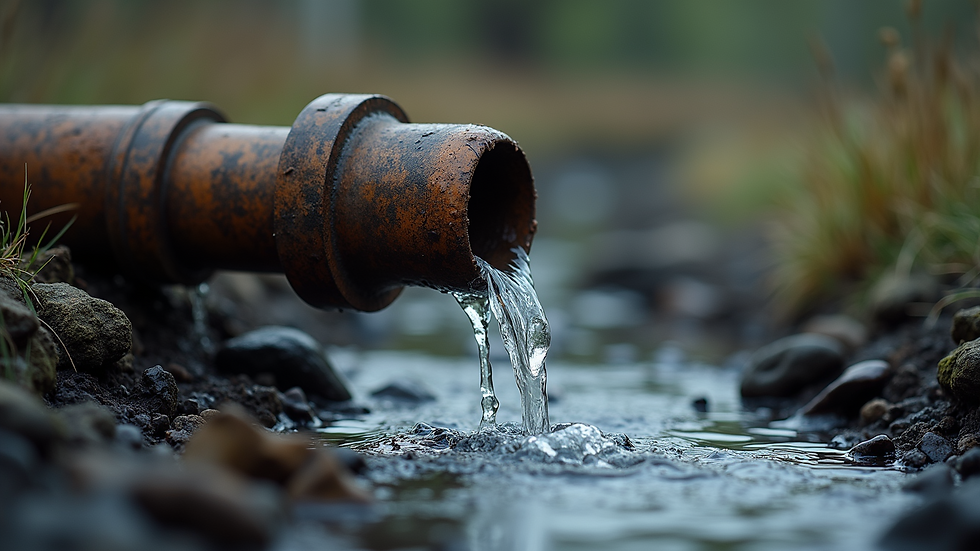
Once it is safe, your next step is to stop the source of water. If the damage is from a broken pipe, shut off the main water supply to your home. Typical water shut-off valves are located near your water meter or in basements. If the water is coming from a source that you cannot control, such as rainwater, consider using sandbags or towels to divert the water, if possible.
Taking immediate action to stop the water flow can significantly reduce damage to your home.
Document the Damage
Before you begin any cleanup process, it’s essential to document the damage for insurance purposes. Take clear pictures of the affected areas and belongings, noting any damages. Good documentation can include:
Photographs of the damaged areas,
Descriptions of the damages, including dates and times,
Details on how the damage occurred.
This documentation will help you when you contact your insurance company to file a claim. Many homeowners find that a well-documented claim leads to faster responses and resolutions.
Contact Your Insurance Company
After documenting the damage, reach out to your insurance company. Explain the situation honestly and provide the documentation you’ve gathered. Be sure to ask about the next steps, coverage details, and any specific requirements you need to fulfill.
Many insurance policies cover water damage, but the extent can vary significantly. Knowing what your policy covers will help you prepare for the financial aspects of recovery.
Begin Drying and Cleanup
Once you have assessed the damage and contacted your insurance, it's time to start the drying and cleanup process. Here are some steps you can take at this stage:
Remove Standing Water: Use a wet/dry vacuum to remove any standing water, if safe to do so. If the area is large, consider renting a commercial water pump.
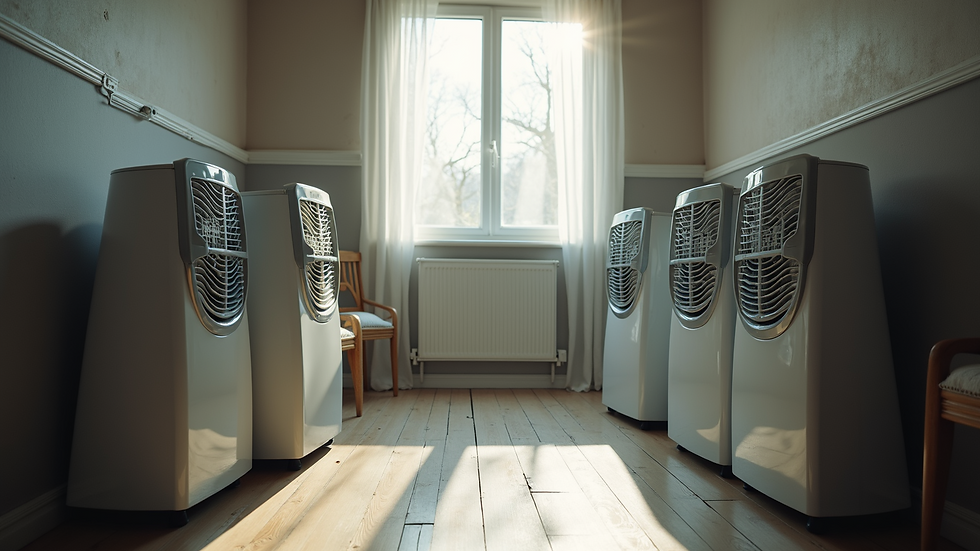
Air Out the Area: Open windows and doors to increase airflow. Set up fans and dehumidifiers to help reduce humidity levels.
Remove Water-Damaged Items: Take out any furniture, carpets, or personal items that have been affected by the water. Ensure you document these items for your insurance claim as well.
Clean and Disinfect: After drying out the area, clean surfaces with a mixture of water and soap, and disinfect with a solution of bleach and water (1 cup of bleach per gallon of water). This helps prevent mold growth.
Monitor for Mold: Keep an eye on the area for signs of mold. Look for discoloration or musty smells, and if you suspect mold growth, take action immediately.
When to Call Professionals
While some water damage can be handled by homeowners, there are instances where contacting professionals is the best option. If the damage is extensive, includes your electrical systems, or is from contaminated water (such as sewage), it’s crucial to hire experts.
Professional water damage restoration companies have the tools and experience necessary to handle complex situations safely. They will manage the drying process, assess for mold growth, and provide the necessary repairs and restoration services.
Tips for Preventing Future Damage
Once you have addressed the current water damage, consider taking steps to prevent future incidents. Here are some helpful tips:
Regular Maintenance: Inspect your plumbing regularly. Look for leaks, especially in high-risk areas like basements and attics.
Install Sump Pumps: If you live in a flood-prone area, consider installing sump pumps to help redirect water away from your home.
Maintain Gutters and Downspouts: Ensure that gutters and downspouts are clear of debris to allow proper drainage.
Use Water Sensors: Consider sensor alarms that notify you of leaks or unusual moisture levels in your home. These can help you act promptly before significant damage occurs.
Seal Windows and Doors: Regularly check seals on windows and doors for cracks or gaps. Fixing these issues can prevent water from seeping in during storms.
By following these preventive measures, you can safeguard your home against future water damage.
Finding water damage in your home can be distressing, but understanding what to do immediately can make a significant difference. Always prioritize safety, document the damage, and take action without delay. By following our outlined steps, you're setting yourself up for a more manageable recovery process and reducing the risk of future incidents. Remember, when in doubt about safety or extent of damage, don't hesitate to reach out to the professionals. Your home deserves the best care possible!


Comments